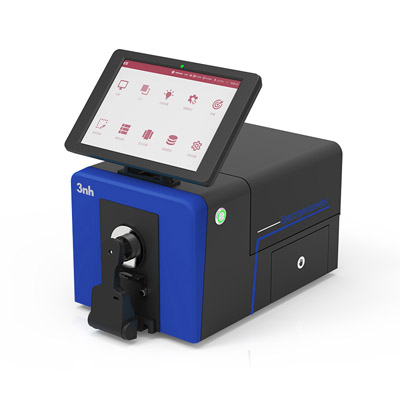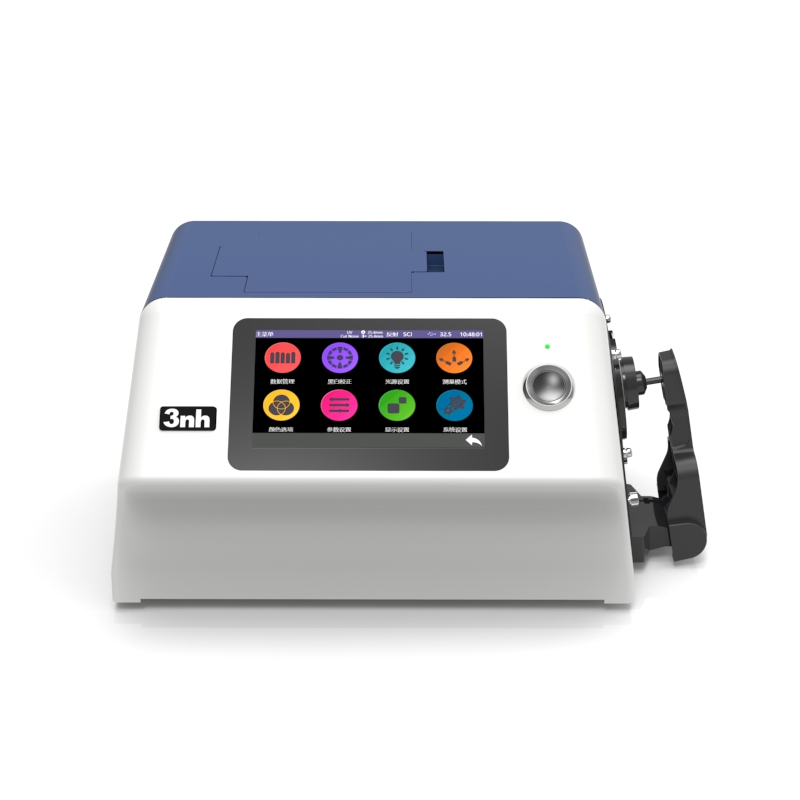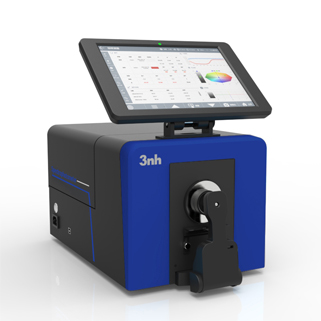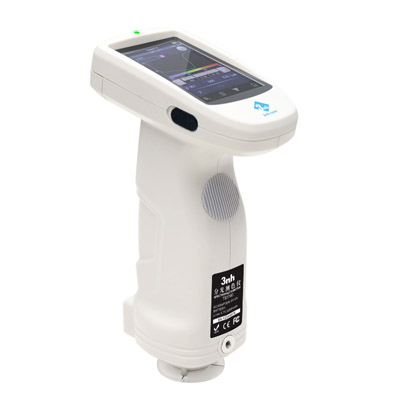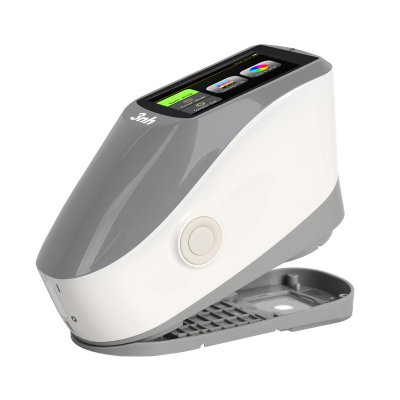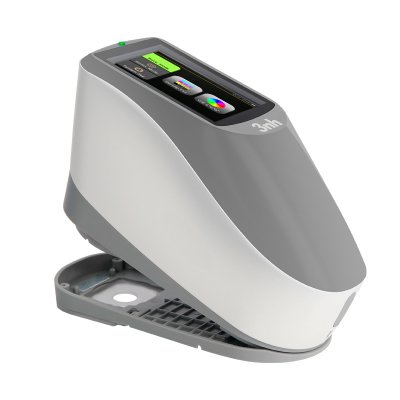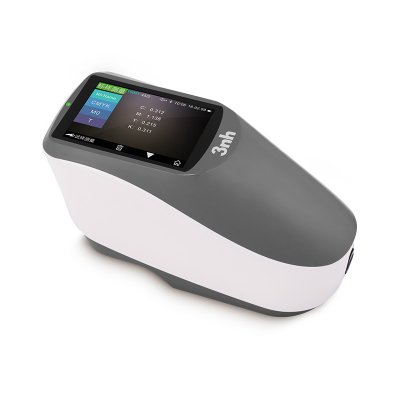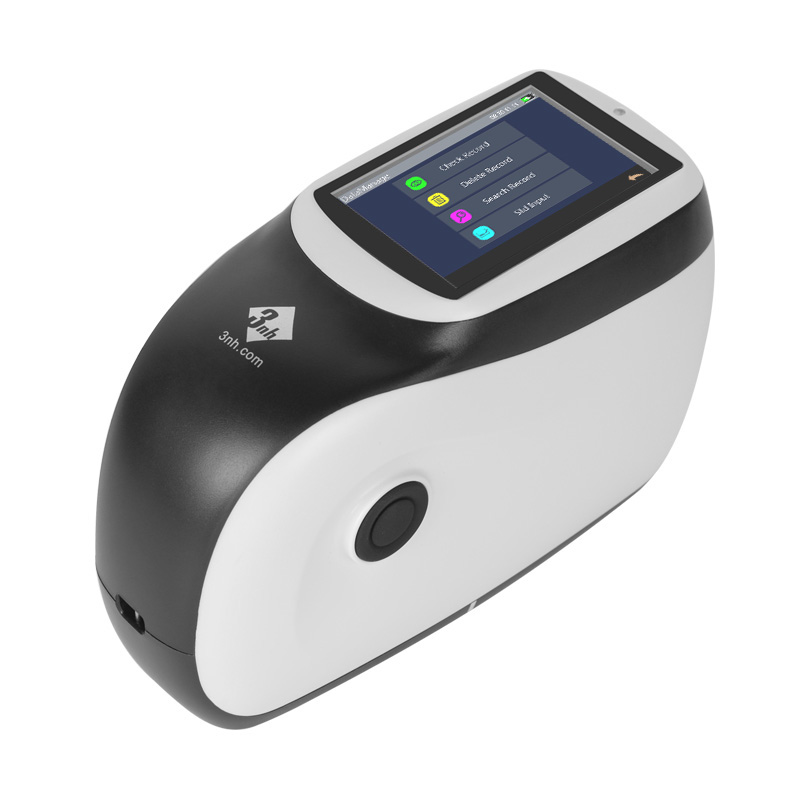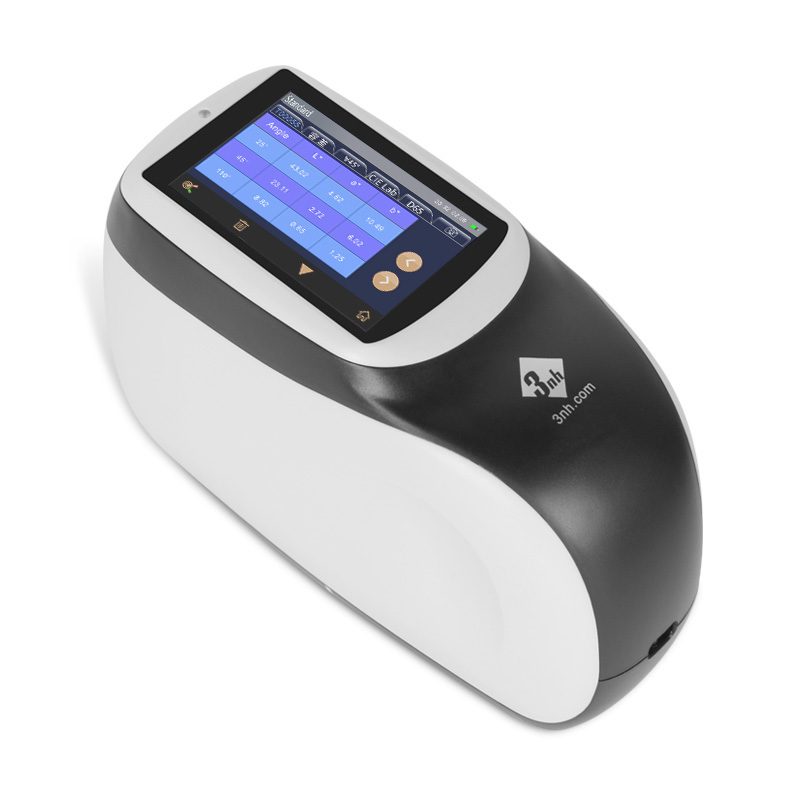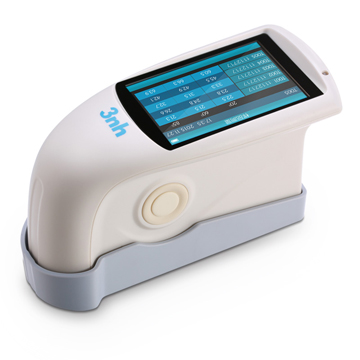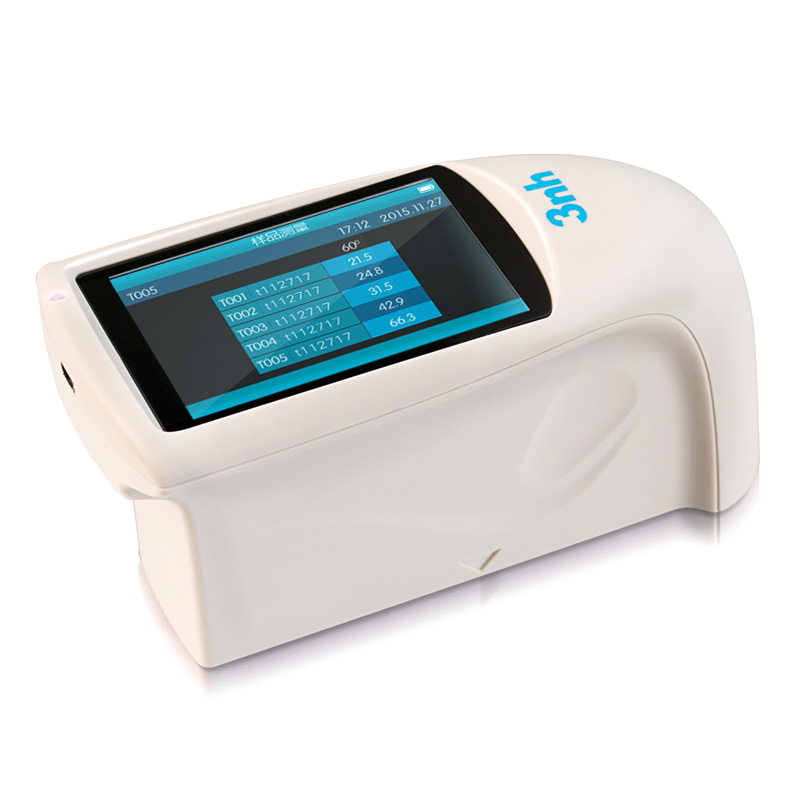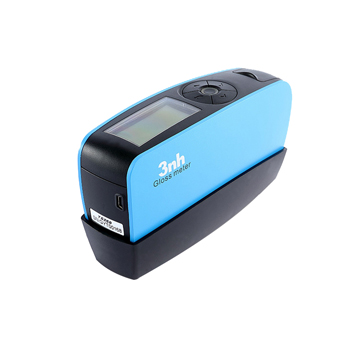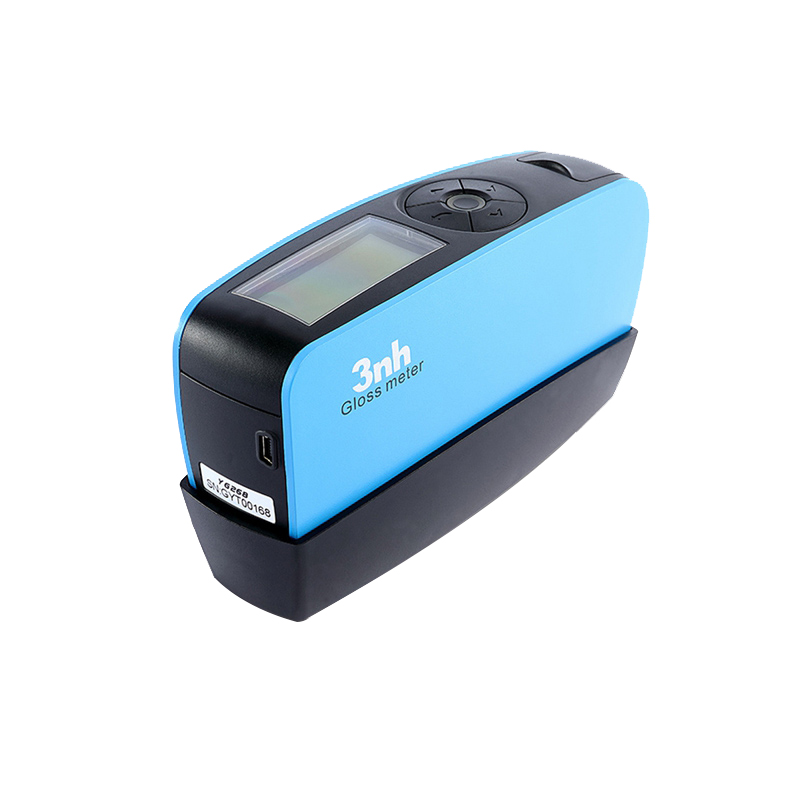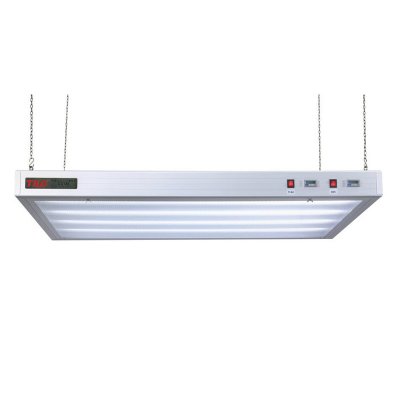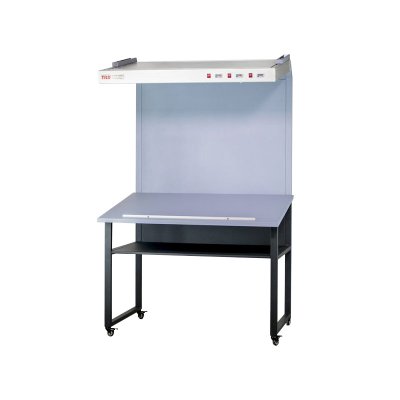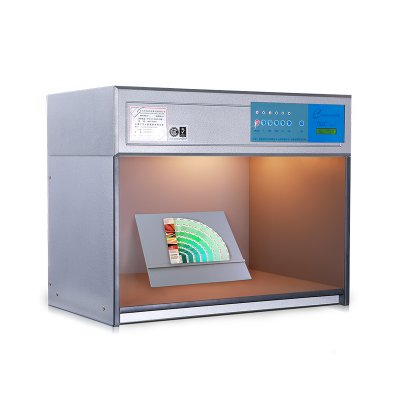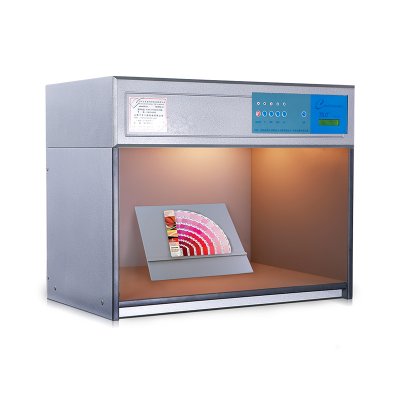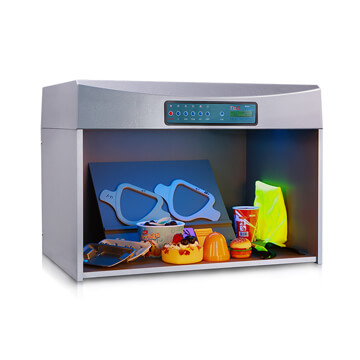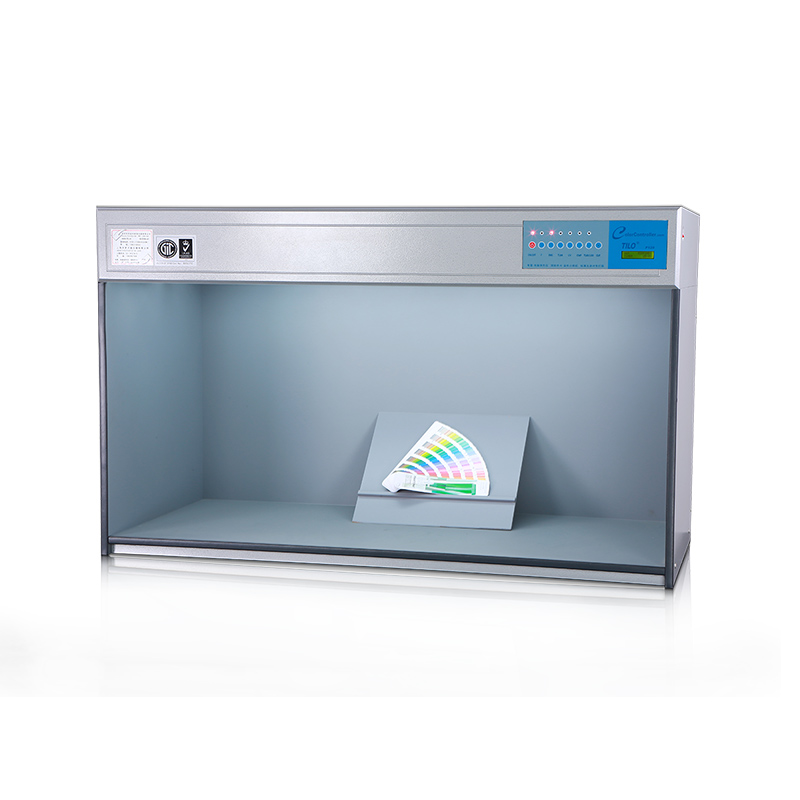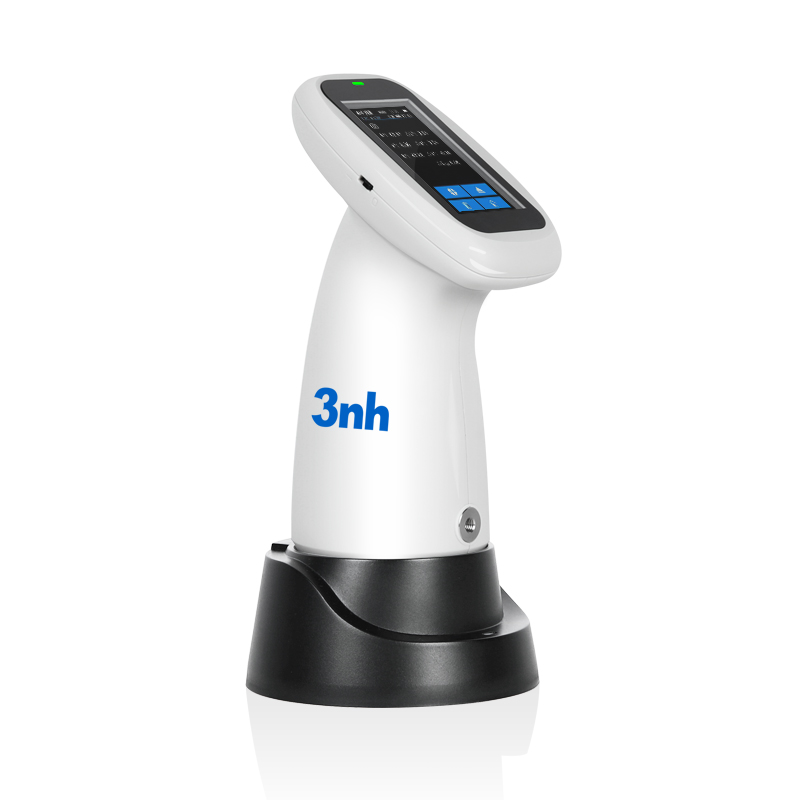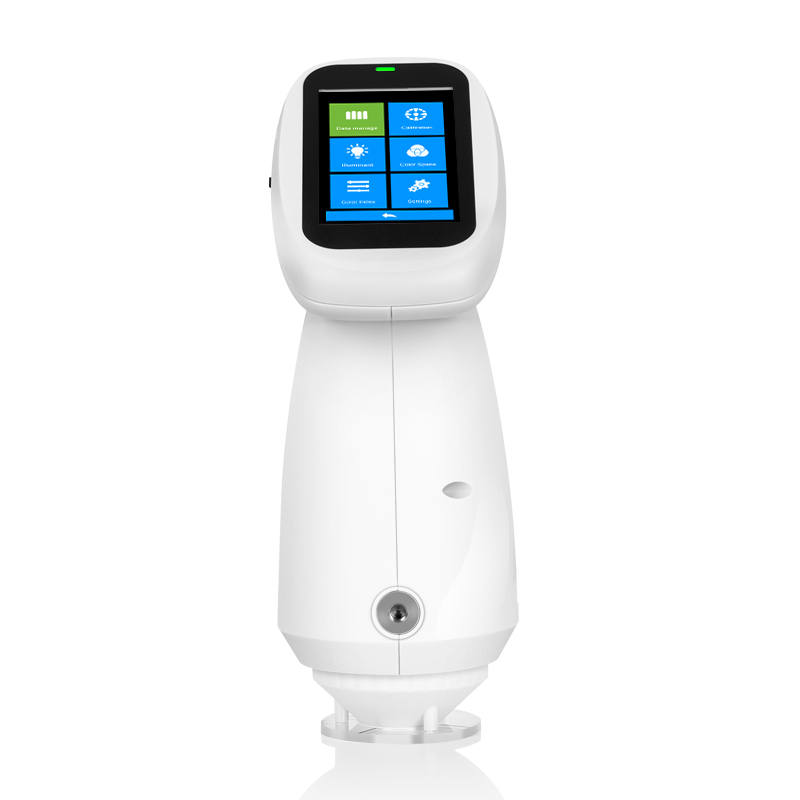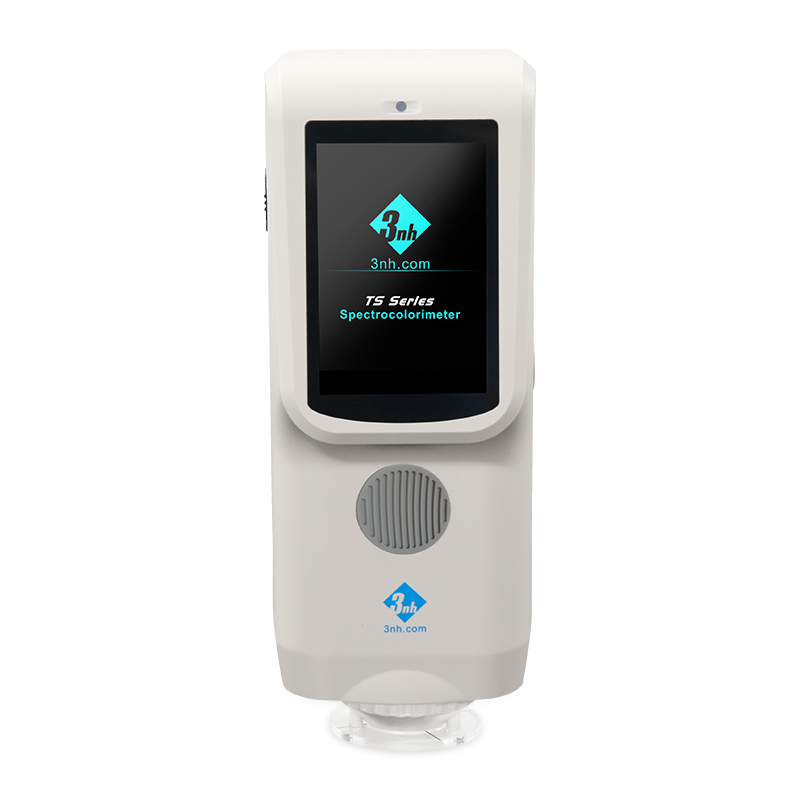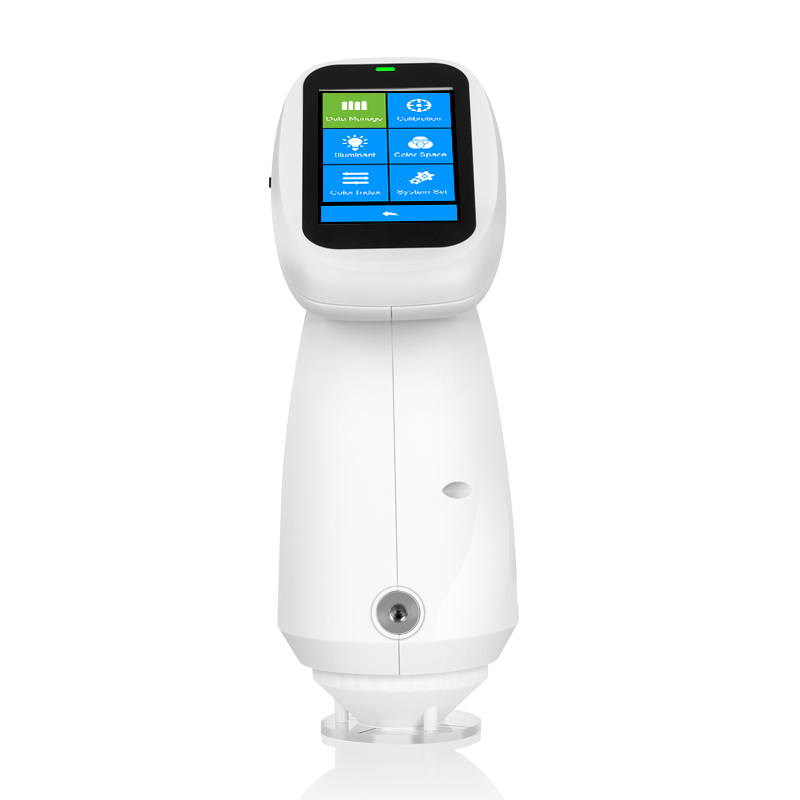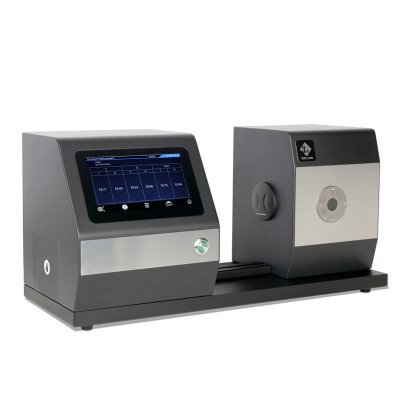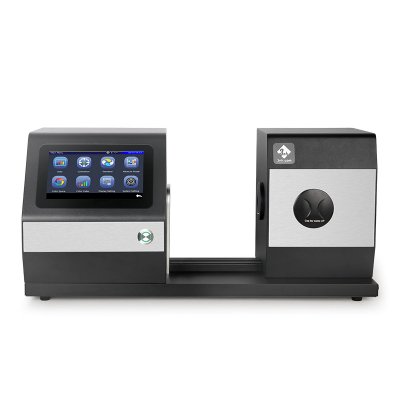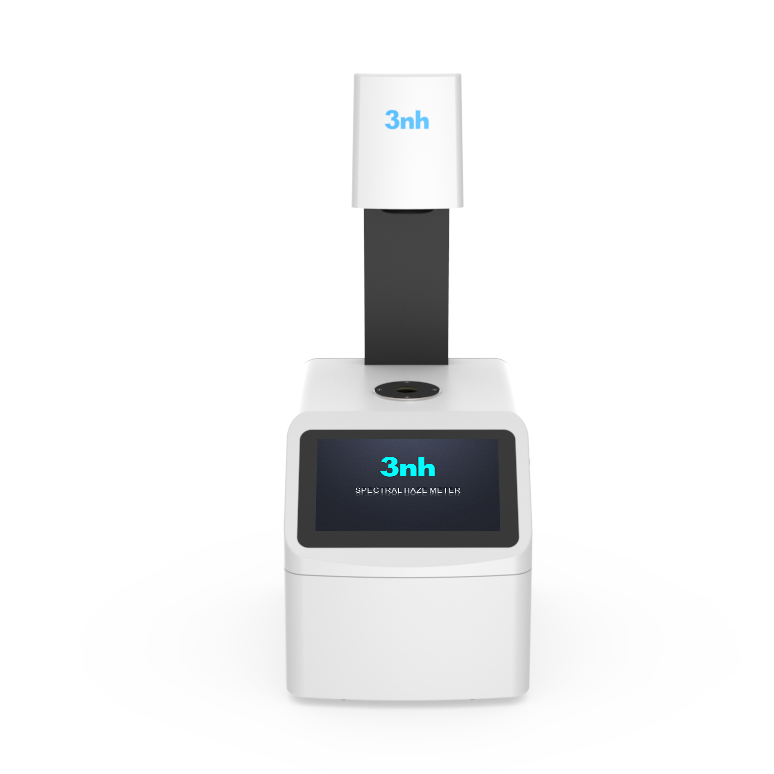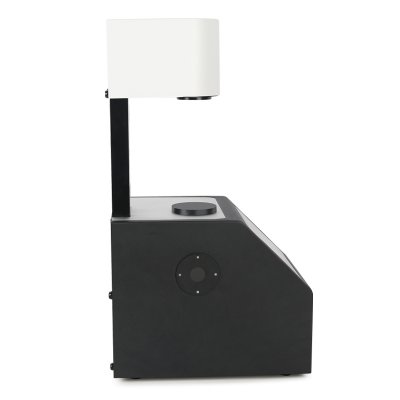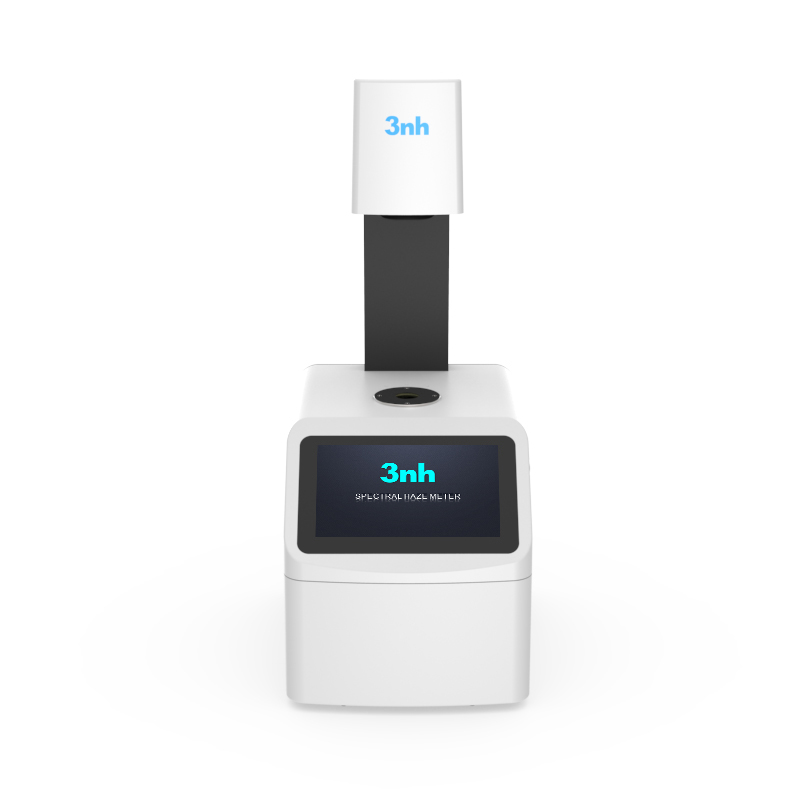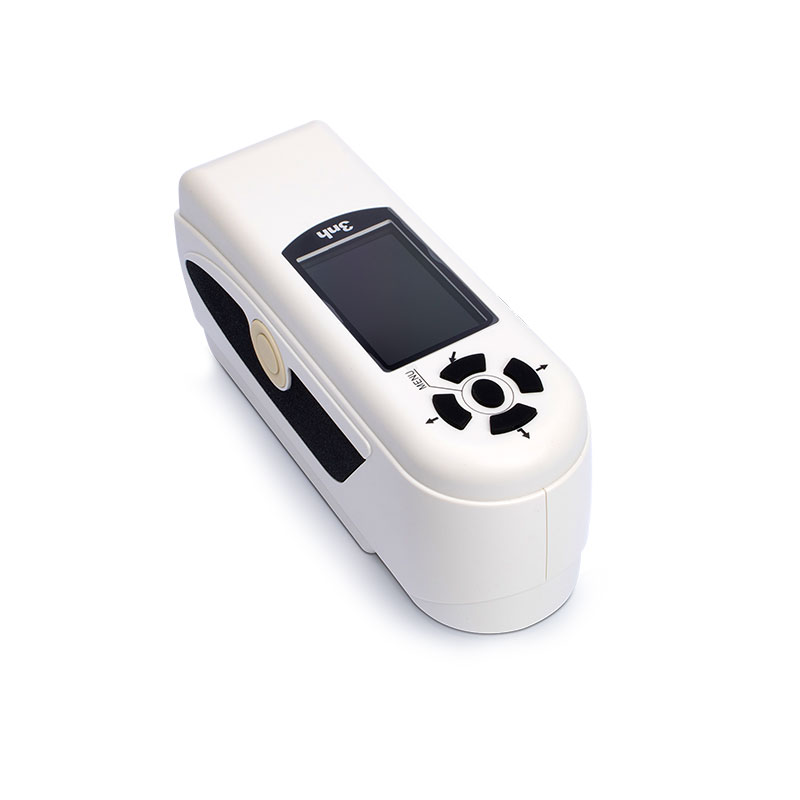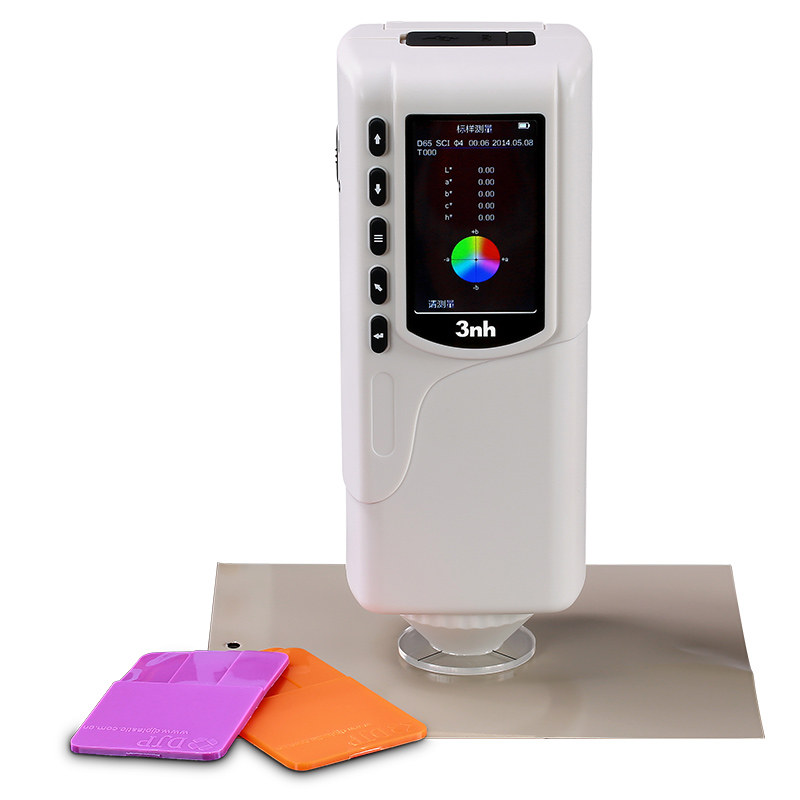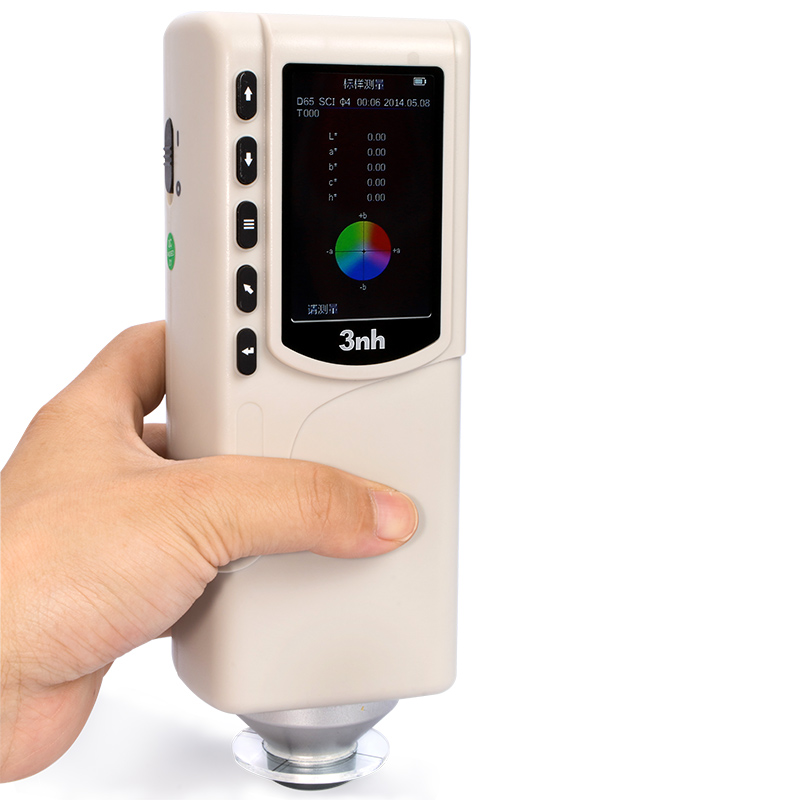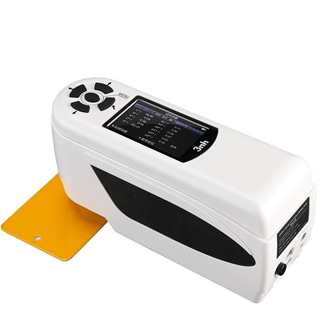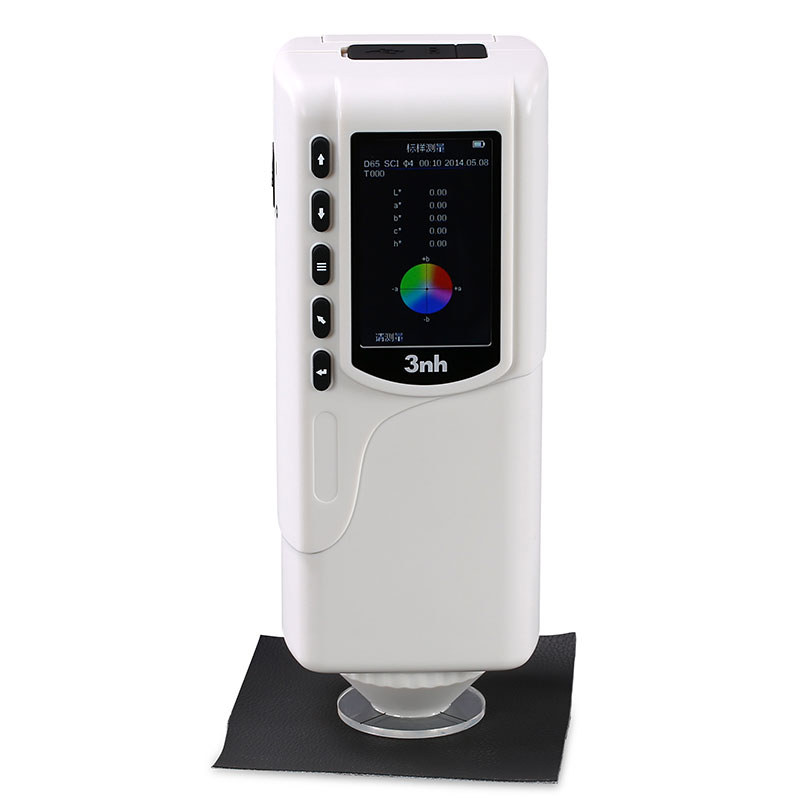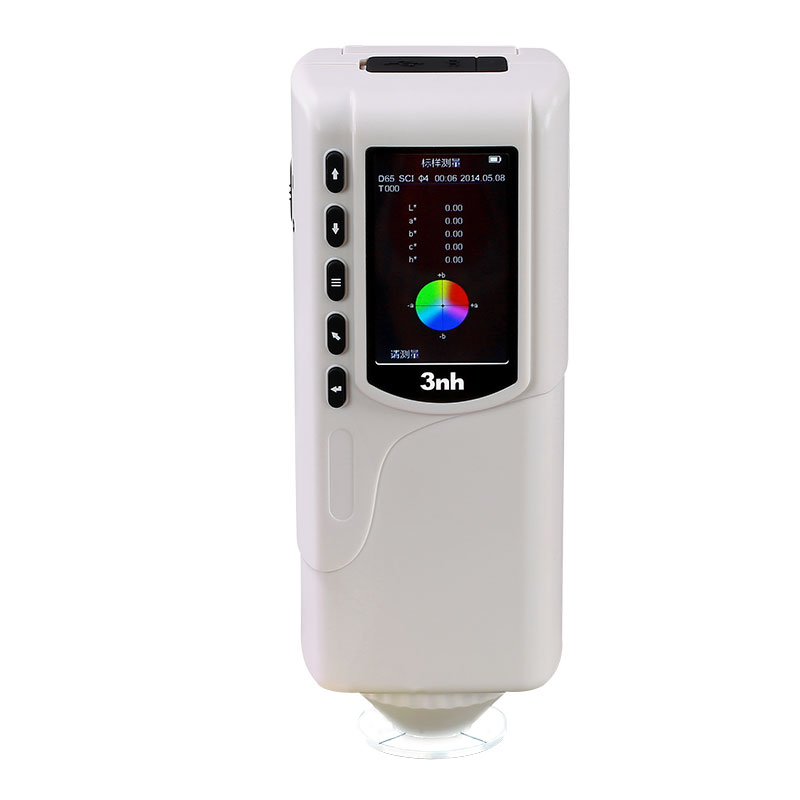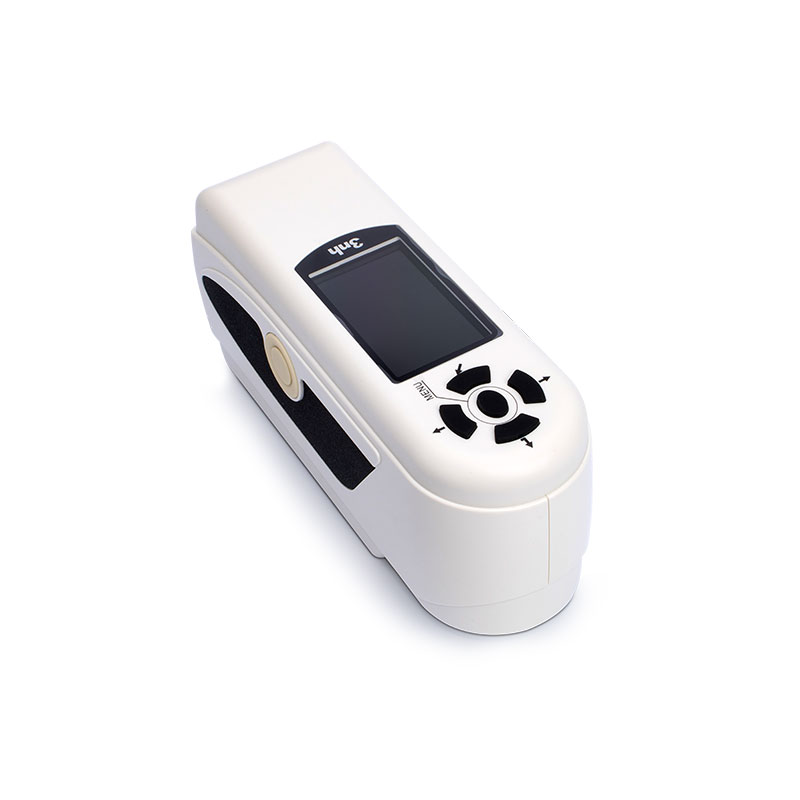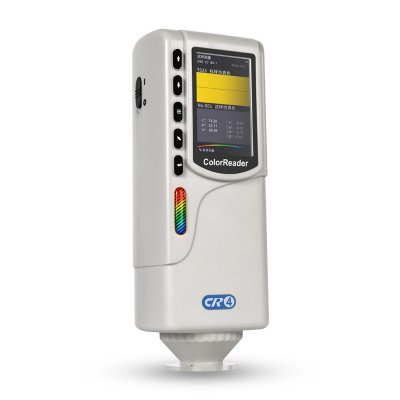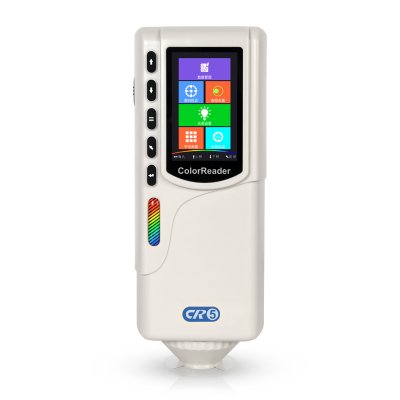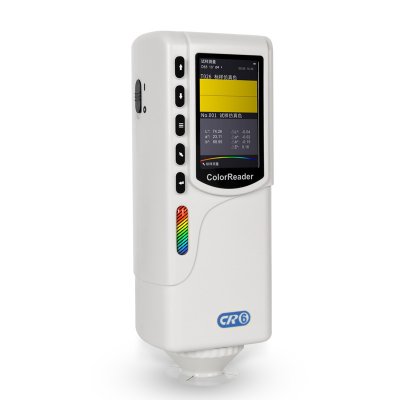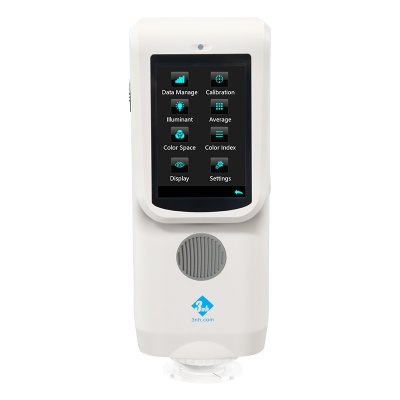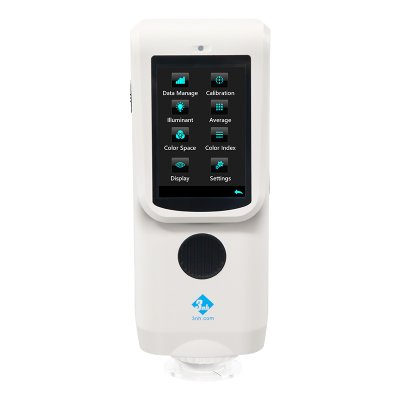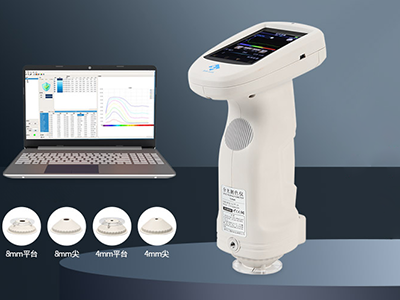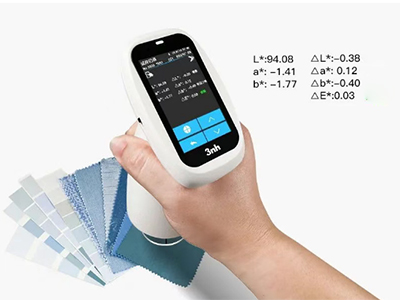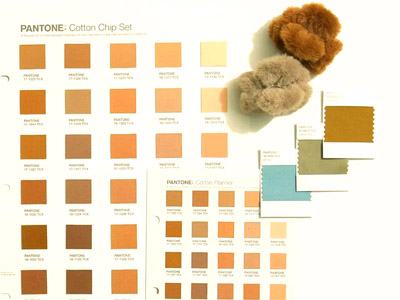
A visual colorimeter is a type of colorimeter that uses the human eye
Visual photoelectric use sensors to deliver higher precision, complete the
Working
A light source emits light at
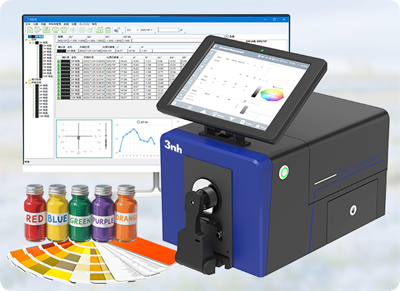
3nh Photoelectric Colorimeter – A Trusted Brand in the Color Measurement Industry
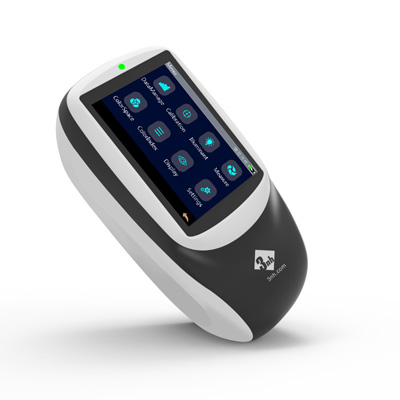
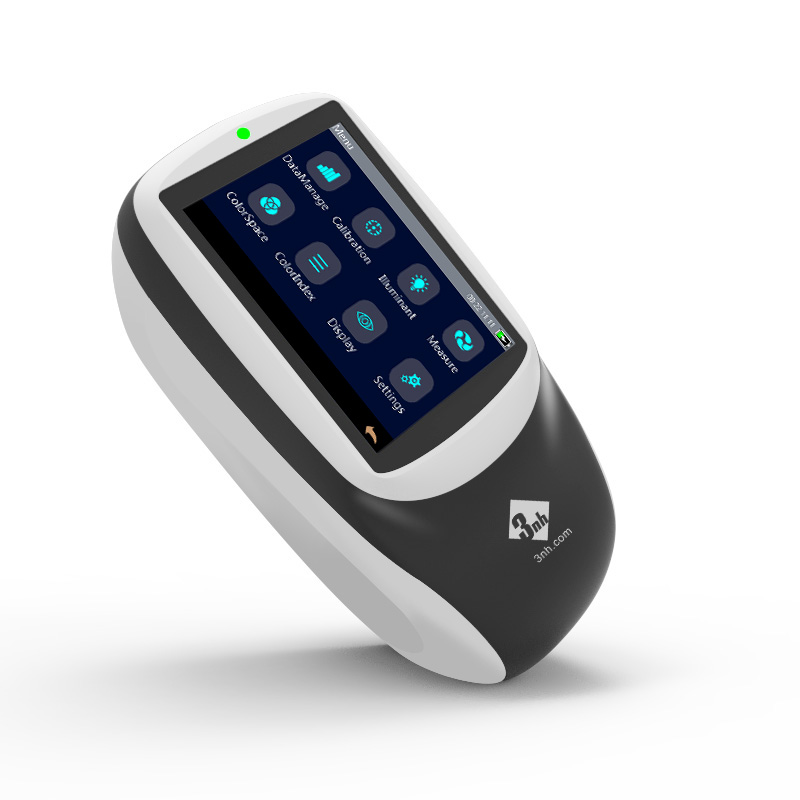
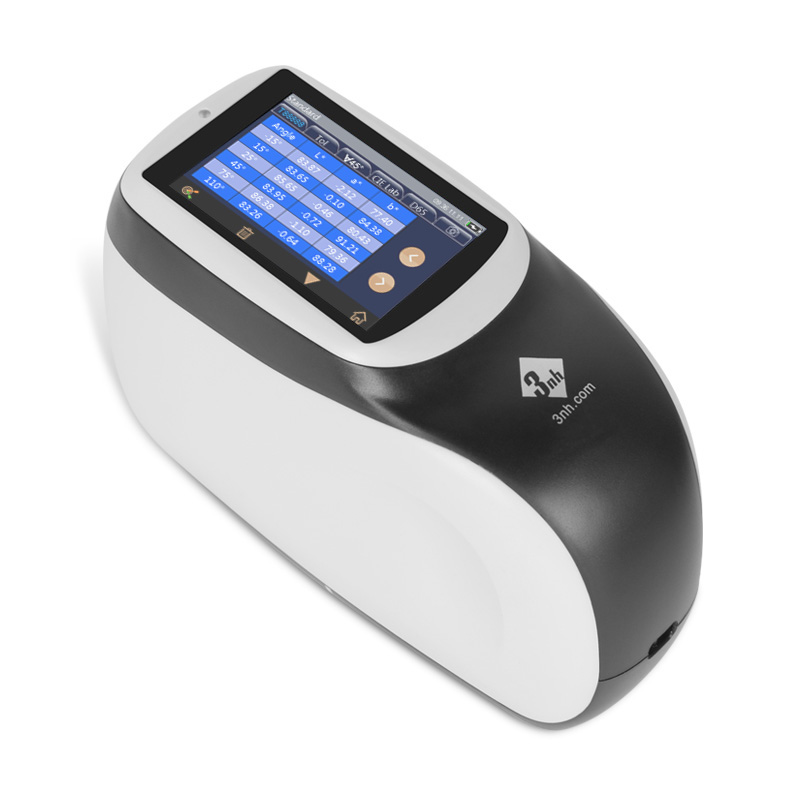
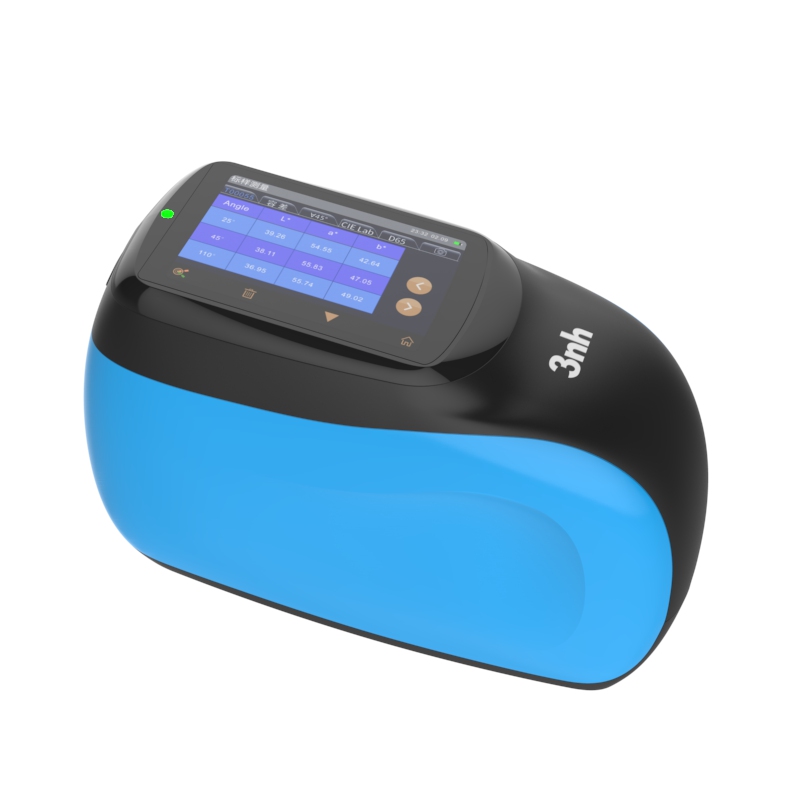
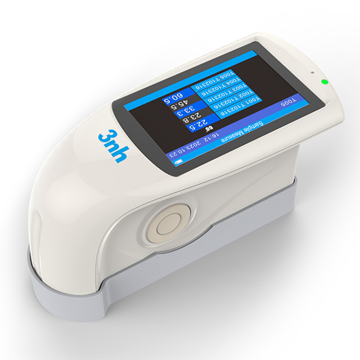
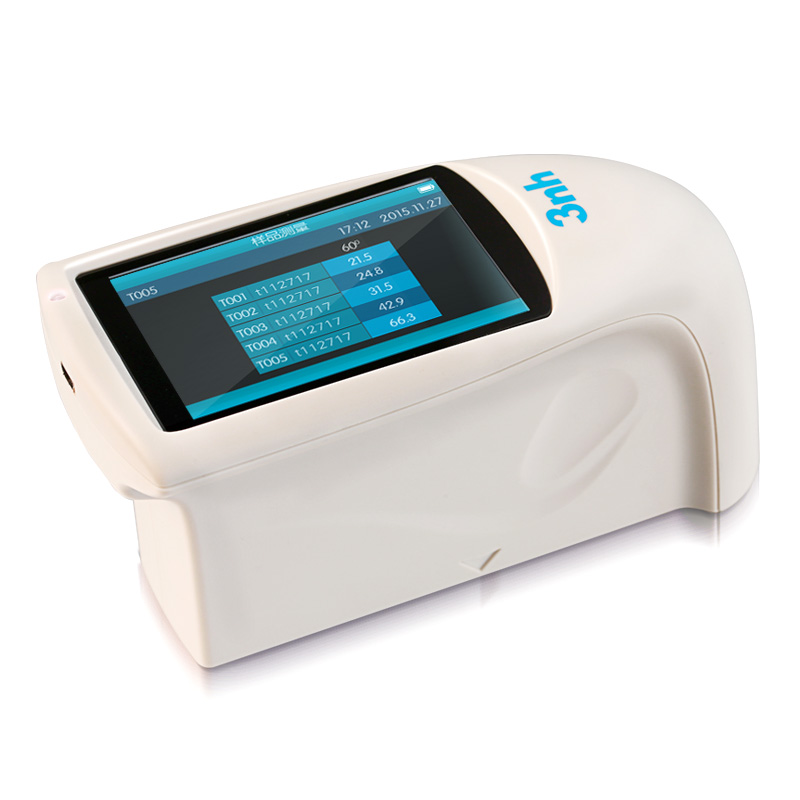
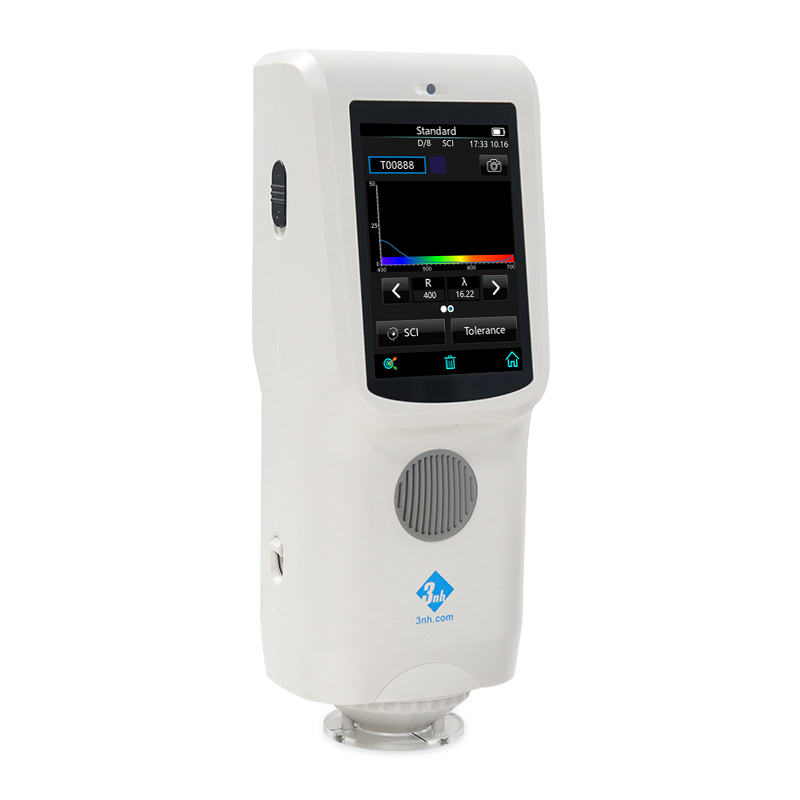
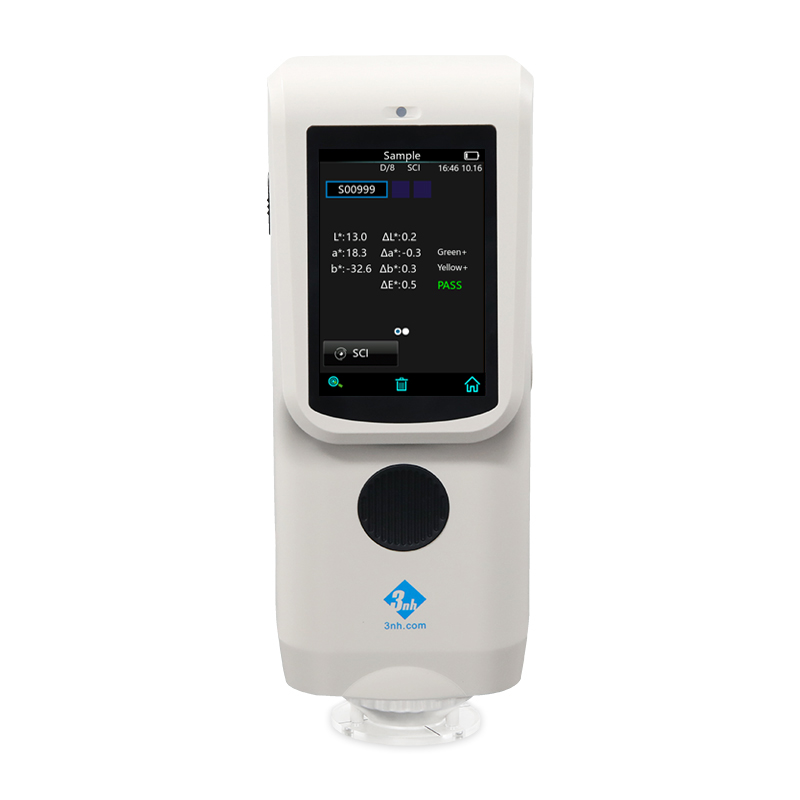
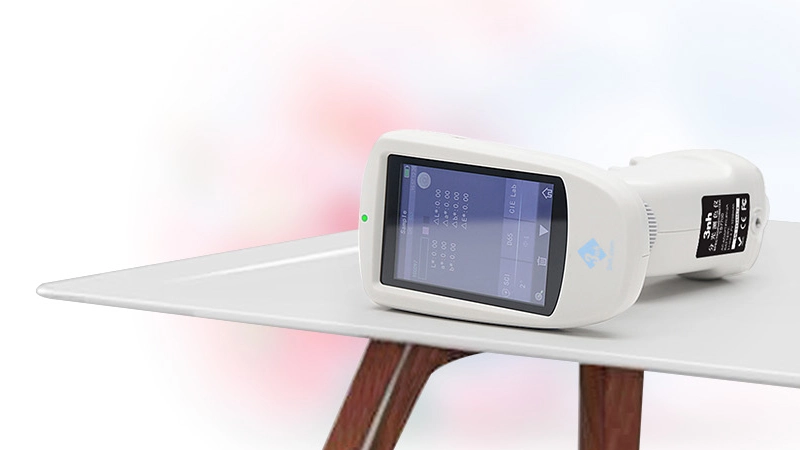
Featuring ultra-high precision, user-friendly interface, light positioning function, high-capacity lithium-ion battery, and multiple optional measurement angles.
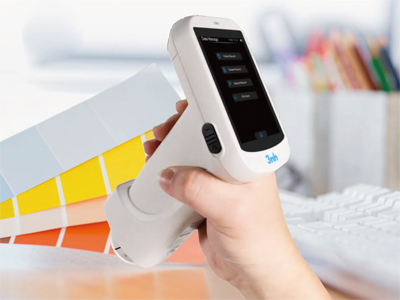
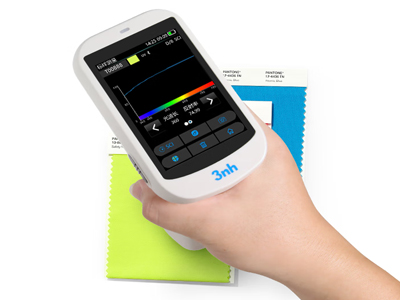
The core function of a portable multi-parameter colorimeter is to measure various color parameters, including color difference and chromaticity, and it is mainly used in scenarios requiring precise color management.
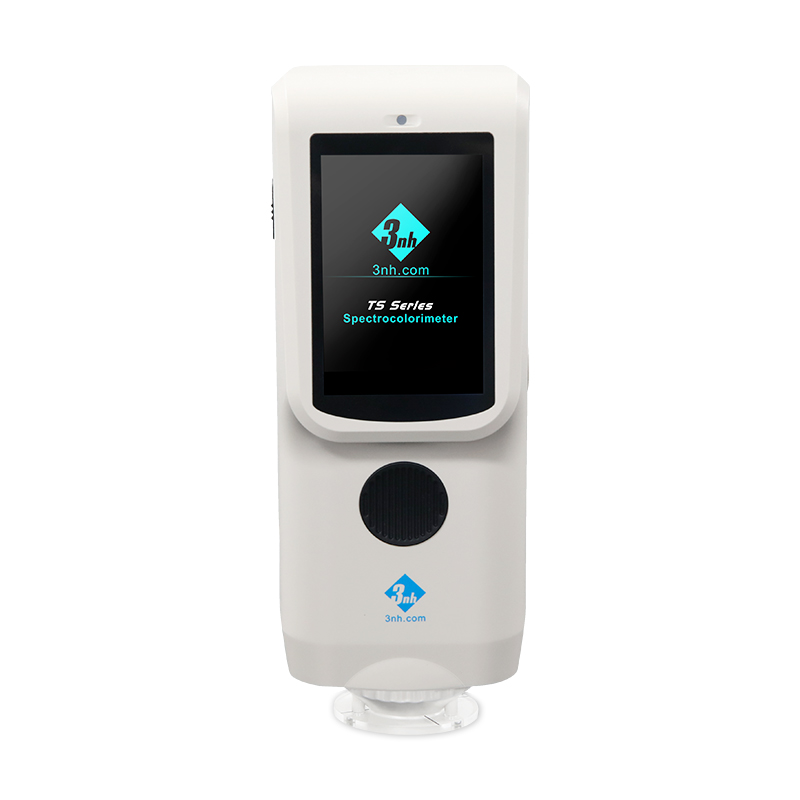
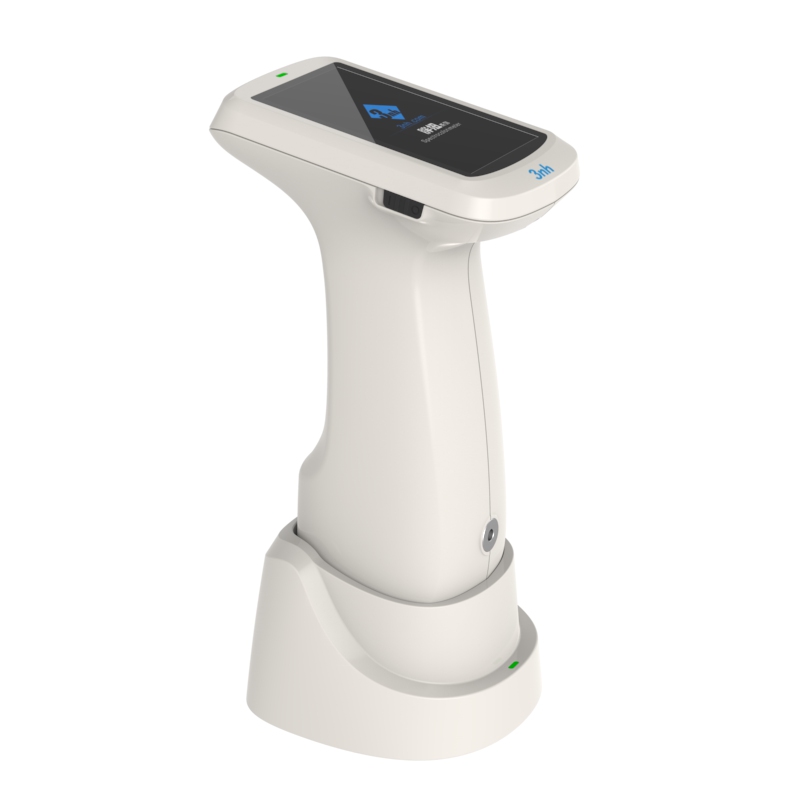
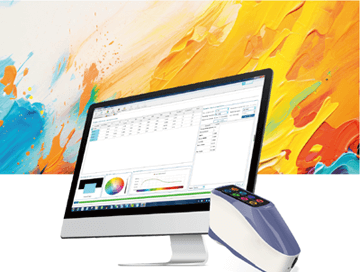
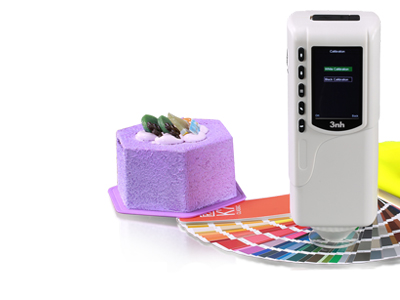
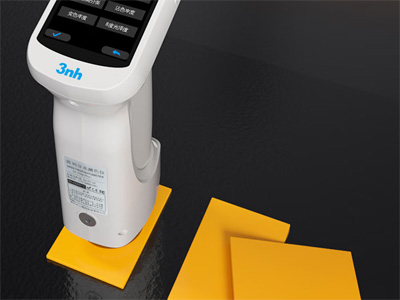
3nh portable colorimeters are designed specifically for the above needs, combining portability and high-precision color measurement, making them especially suitable for on-site rapid testing.
Our portable colorimeter products effectively improve color quality control efficiency and help users optimize workflows.
For more product information or to apply for a trial, you can contact our color engineers by email at service@3nh.com.
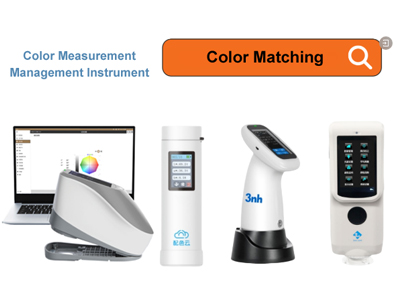
With over 20 years of experience in color management, 3nh helps optimize your enterprise’s color management workflow, 3nh’s color measurement instruments include colorimeters, benchtop spectrophotometers, color testers, and color matching software. Contact our color experts today!
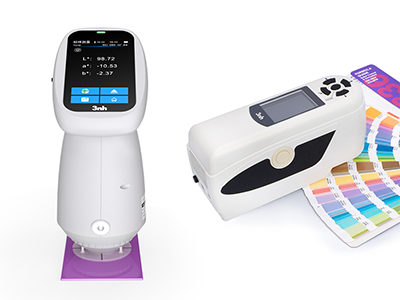
D/8° and 45°/0° are two different illumination methods with distinct optical geometries.
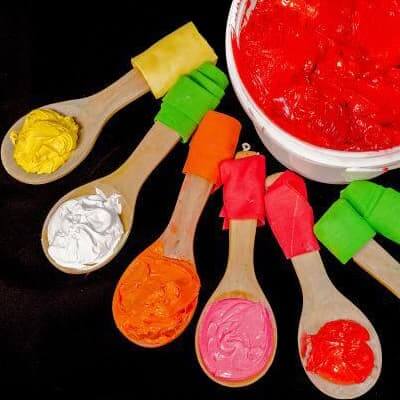
Plastic, paint, ink, ceramic, textile, coating
Samples with metallic luster, pearlescent, glitter, or texture
Situations requiring consistent data with laboratory spectrophotometers
Applications needing SCI (including specular reflection) / SCE (excluding specular reflection) switching
Printing, packaging, paper, ink, matte non-metallic materials
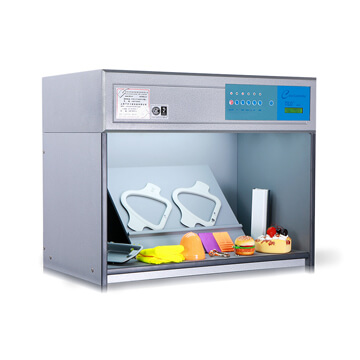
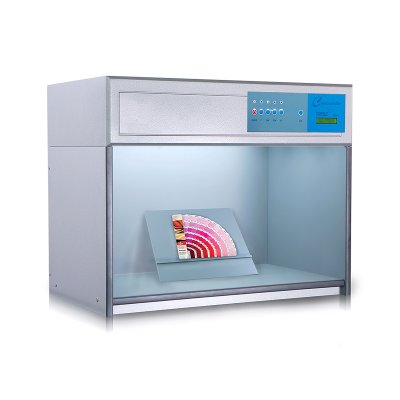
Products focusing on human eye direct visual matching
Standard color matching in printing & packaging industry
With metallic/pearlescent/glitter effect → choose D/8°
Printing, paper, packaging, matte products → choose 45°/0°
Want universal use for multiple materials → choose D/8°
When evaluating the accuracy of a colorimeter, repeatability is a key parameter.
The repeatability standard deviation ΔE*ab of 3nh colorimeters is within 0.03 (measured under the following conditions: after preheating and calibration, measure the white calibration tile 30 times at 3-second intervals and take the average). This figure is superior to all other similar color measurement instruments.
Each of our instruments undergoes rigorous factory inspection and calibration before delivery. In addition, 3nh colorimeters are guaranteed to pass the metrological certification issued by official metrology institutes.
Colorimeters are more affordable, portable, and easier to use, making them a suitable choice for basic color measurement applications, spectrophotometers are better for research, development, and when dealing with complex or highly precise requirements. The biggest difference is in capability and usage. Spectrophotometers are incredibly powerful and can offer more in-depth color measurements than a colorimeter, such as spectral data.
Colorimeters are primarily used for color quality control, while spectrophotometers are used for analysis and formulation.
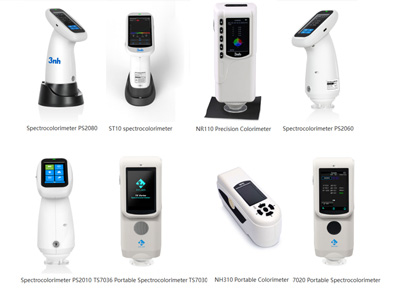
ΔE*ab ≤ 0.1: For general quality control in textiles, printing, plastics, etc.Recommended models: NH310, NR60CP, NR110, ColorReader series
ΔE*ab ≤ 0.03: CR8, CR9, PS2080, PS2070 series
ΔE*ab ≤ 0.02: ST7700, ST70, ST60, PS2080, YS6060, MS30 series
ΔE*ab ≤ 0.01: For laboratory-grade precision measurement.Recommended models: TS8520, TS8560, TS8500, TS4020 series
Because color perception depends on the following factors:
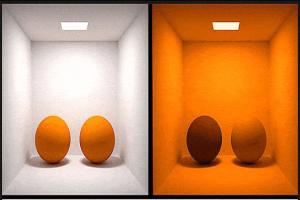
Light source - For example, incandescent lamps emit orange light, while fluorescent lamps emit cool white light. Therefore, placing an object near different light sources will result in different perceived colors.
Observed object - Different types of objects affect color perception differently. Examples include opaque objects, translucent objects, and transparent objects.
Observer's position - Each observer will describe colors differently based on the position of their eyes.
Different backgrounds - An object's color will appear duller against a light-colored background than against a dark-colored background.
Different directions of light reflection from the object - Light reflected from different directions creates different color perceptions. This is particularly noticeable with metallic objects.
Many people might answer "with the human eye", but this is actually not comprehensive. The human eye cannot accurately distinguish the colors of similar objects. Furthermore, everyone's perception of color varies. Therefore, people have developed color measurement tools based on the CIE color system.
Currently, there are two main types of commonly used colorimeters, as follows:
Colorimeter - It is an ideal choice for quality control (QC) on production lines, used to detect color differences.
Spectrophotometer - It is suitable for the development of color characteristics and color analysis in laboratories.
The "accuracy" of a colorimeter refers to how closely its measurement results align with the true values, primarily influenced by systematic errors and random errors, how closely its measured color data (e.g., Lab values, density) aligns with the true color properties of a sample or certified standard. Specifically, it includes key indicators such as color coordinate accuracy, luminance accuracy, and data repeatability.
It reflects the instrument’s ability to minimize deviations caused by component variations, environmental factors, or calibration drift—ensuring results reliably represent the actual color, which is critical for quality control and brand consistency in industries like printing, food, textiles, paint and coatings.
Colorimeter calibration is indispensable for reliable quality control—ensuring measurement accuracy by compensating for component aging, environmental interference, and baseline drift. It standardizes data across devices/batches, maintains compliance with industry standards, and prevents costly rework from inaccurate color readings, making it critical for precision-driven industries like printing, food, plastics, textiles, paint and coatings.
Colorimeters is a color measurement device that are used to capture, communicate, and evaluate color. Colorimeters are more affordable, portable, and easier to use, making them a suitable choice for basic color measurement applications, ideal for quick and routine tests.
spectrophotometers offer higher precision and comprehensive data analysis, are better for research, development, and when dealing with complex or highly precise requirements. The biggest difference is in capability and usage. Spectrophotometers are incredibly powerful and can offer more in-depth color measurements than a colorimeter, such as spectral data.
Colorimeters are primarily used for color quality control, while spectrophotometers are used for analysis and formulation. You can choose the appropriate color measurement equipment according to your application needs.
Many people might answer "with the human eye", but this is actually not comprehensive. The human eye cannot accurately distinguish the colors of similar objects. Furthermore, everyone's perception of color varies. Therefore, people have developed color measurement tools based on the CIE color system.
Currently, there are two main types of commonly used colorimeters, as follows:
Colorimeter - It is an ideal choice for quality control (QC) on production lines, used to detect color differences.
Spectrophotometer - It is suitable for the development of color characteristics and color analysis in laboratories.
A colorimeter is sufficient for basic, routine color checks, while a spectrophotometer is needed for precise, comprehensive color analysis—here’s the clear breakdown:
Simple color matching needs: Ideal for checking if a sample matches a predefined standard (e.g., basic paint batches, plastic parts with solid colors).
Consistent lighting conditions: Works well when measurements are done under fixed, standard light sources (no need to account for varied light effects).
Cost-sensitive, high-volume tasks: Perfect for production lines requiring fast, low-cost color checks without advanced data analysis.
Precise color quantification: Necessary for measuring Lab values (lightness, red-green, yellow-blue axes) or detecting subtle color deviations (critical for automotive coatings, high-end textiles).
Complex color analysis: Required for metallic/pearlescent finishes, transparent materials, or samples with gloss/texture variations.
Compliance and documentation: Essential when precise color data (spectral curves) is needed for quality audits, regulatory compliance, or brand color standardization.
The main instruments used to detect color are spectrophotometers and colorimeters (including photoelectric integrating colorimeters).
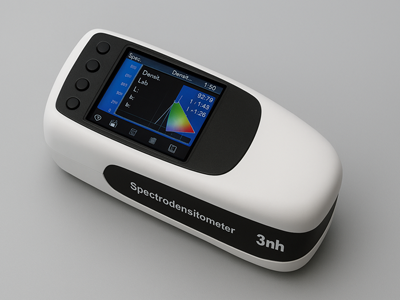
Spectrophotometer: High-precision option. It analyzes the full visible light spectrum to measure color accurately. Suitable for complex scenarios like textured surfaces, special effect colors, or batch consistency checks in industries such as paint and coatings.
Colorimeter (Photoelectric Integrating Colorimeter): Cost-effective and portable. It uses RGB filters to measure tristimulus values directly. Ideal for quick color difference detection in simple applications. Key Selection Tip Choose based on accuracy needs: use a spectrophotometer for high-precision color measurement, and a colorimeter for fast, basic color difference checks.
The machine used to measure color is primarily called a colorimeter or spectrophotometer.
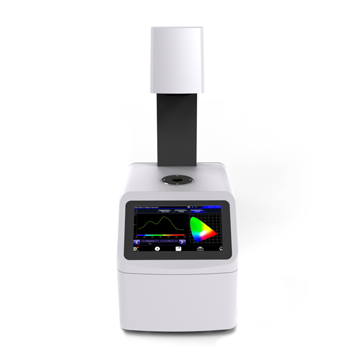
Spectrophotometer: The most common and precise type. It analyzes light reflected/transmitted by an object across the visible spectrum to quantify color accurately. A spectrophotometer can measure colors on smooth or matte surfaces, as well as textured, glossy, mirror-like surfaces, and special effect colors. It measures the reflected light of a sample at a fixed angle (e.g., 45˚) or captures light reflected at all angles to calculate color measurements that closely match what the human eye perceives. Additionally, similar to how humans flip a sample to view colors from different angles, a spectrophotometer is suitable for measuring a variety of materials and surface characteristics. Widely used in industries like paint, textiles, plastics, Chemicals, Pharmaceuticals, and printing.
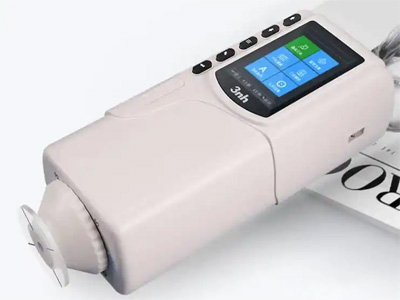
Colorimeter: Also called photoelectric integrating colorimeter, a simpler, more cost-effective option. It measures color based on three primary colors (RGB) and is suitable for basic color matching needs. A photoelectric integrating colorimeter is a color measurement device based on the photoelectric integration principle. It directly measures the tristimulus values XYZ of an object's color using three color filters (red, green, blue) and silicon photocells as three sensors. The color measurement principle of this instrument imitates the human eye's mechanism of perceiving the three primary colors (red, green, blue). It corrects the relative spectral sensitivity of the detector through color filters to match the CIE-recommended spectral tristimulus value functions x(λ), y(λ), and z(λ).
Spectrocolorimeter: Combines the functions of spectrophotometers and colorimeters, offering both spectral data and color space values for comprehensive analysis.
When detecting color differences, the first factors to consider when selecting a light source include its stability, directionality, lifespan, and the effectiveness of the ultimately obtained spectral curve. The illuminant of a colorimeter is a fixed bulb, such as a tungsten lamp,LED light or a long-life xenon lamp. However, for the same color sample, the results displayed by the instrument vary under different light sources. This is because different light sources cause different absorption and reflection of light on the sample, leading to differences in how both the human eye and the instrument perceive the color.
In general, the D65 light source is used in the application of coil steel inks for construction. The D65 light source is equivalent to average daylight. Most coil steel inks for construction are used outdoors, and sunlight is regarded as the standard light source in outdoor environments. For household appliance coil steel inks, due to their usage characteristics, they are mostly used indoors. Therefore, the A standard light source is adopted for color measurement of samples based on indoor lighting conditions. The A light source is a carefully specified tungsten light source. Other light sources, such as fluorescent light sources, can be used in many types of applications. For example, some textile factories use fluorescent light sources. Therefore, a reasonable light source should be selected as the mutually recognized measurement method based on actual usage conditions and user requirements. Once agreed upon by both parties, color measurement must be conducted under the same conditions. This helps reduce unnecessary systematic errors and human errors, achieving the optimal consistency in color measurement.
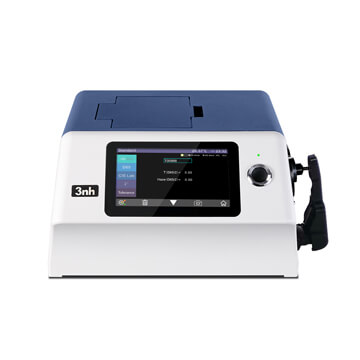
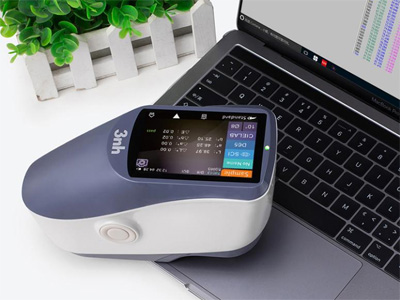
The 3nh high-precision spectrophotometric colorimeter adopts a combined LED light source with long lifespan and low power consumption, which includes UV (ultraviolet) and UV-excluded options. This design can meet the color difference detection needs of different users and supports the selection of multiple light source modes.
Il vero colore in chimica è il colore visto in una soluzione o composto in condizioni standardizzate. Dipende dalle transizioni elettroniche nelle molecole, in particolare dall'assorbimento di una particolare lunghezza d'onda di luce, e questo dipende dalla struttura del composto.
La colorimetria è un metodo che applica l'intensità del colore per accertare le concentrazioni chimiche. Si basa sulla legge di Beer-Lambert, secondo la quale l'assorbinza a una data lunghezza d'onda è proporzionale alla concentrazione. È popolare nei test ambientali e biochimici.
Lo spettrofotometro e il colorimetro sono determinati strumenti utilizzati dagli scienziati per misurare il colore quantificando la luce riflessa o trasmessa. I risultati sono presentati in spazi di colore, come L*a*b*, RGB o XYZ. Ciò consente l'accuratezza del confronto e del tracciamento dei cambiamenti di colore nella ricerca chimica o dei materiali.
Colorimetri o spettrofotometri sono utilizzati per misurare il colore liquido. Misurano la luce che attraversa o riflette il liquido. Le letture possono essere segnalate come unità Lab*, RGB o di assorbimento. In modo che l'analisi obiettiva del colore possa essere utilizzata per controllare la qualità o per misurare la concentrazione chimica.
A seconda della scala del produttore, la sua finitura opaca e bassa lucidità può essere chiamata livello di lucidità 3. Nel complesso, i livelli di lucidità in alcuni standard vanno da 1 (piatto) a 7 (lucidità alta). Livello 3 è considerato a bassa lucidità o simile al raso.
I livelli di lucidità sono di solito di cinque tipi, vale a dire opaco, conchiglia d'uovo, raso, semi-lucido e alto lucido. Queste categorie sono di livelli crescenti di riflessività della superficie e sono utilizzate per caratterizzare il completamento di vernici, rivestimenti e altre sostanze.
Il livello di lucidità non è espresso in percentuale ma in unità di lucidità (GU). In pratica, tuttavia, 100 GU è considerato riflettente al 100%. Per contrastare visivamente, il GU 20-40 è una superficie a bassa lucidità, e 85 o più è quasi il 100% di riflessione specchio.
Una superficie lucida 80 riflette meno luce rispetto a una superficie lucida 100. Si dice che entrambi siano altamente lucidi, anche se 100 GU (o superiore) riflettono quasi tanto quanto uno specchio. La distinzione può essere leggera in termini grafici, ma importante in usi specifici.
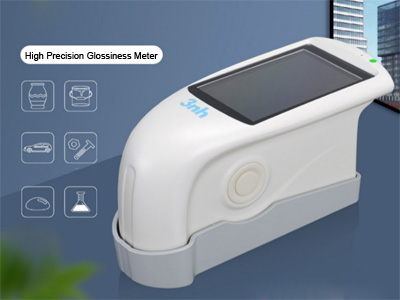
Il luminosità misuratore è utilizzato per misurare il livello di luminosità: è un dispositivo che dirige la luce ad un angolo fisso e legge l'intensità della luce riflessa. Gli angoli, come 60°, 20° o 85°, vengono applicati a seconda del tipo di superficie e della gamma di lucidità.
I livelli di lucidità della vernice in polvere sono classificati come:
● Piano: 0-10 GU
● Raso: 11–40 GU
● Semi-lucido: 41-70 GU
● Lustosità: 71-85 GU
● Alta lucidità: 86+ GU
Questi vengono misurati ad un angolo di 60° per la standardizzazione.
La lucentezza è la riflessività generale di una superficie, che comprende una varietà di gradi. Un particolare tipo di finitura è l'alta lucidità, che ha la massima lucentezza e riflessione. Aumenta la ricchezza ma enfatizza i difetti rispetto al raso o opaco.
Il luminosità misuratore è utilizzato per misurare la luminosità ad angoli tipici (tipicamente 20 °, 60 °, o 85 °). Lo strumento illumina il materiale e misura la quantità di luce riflessa e dichiara il risultato in unità di lucidità (GU), che è correlata alla brillantezza percepita.
I livelli di lucidità della vernice in polvere sono comunemente classificati come:
● Piatto/opaco: 0-10 GU
● Raso: 10-40 GU
● Semi-lucido: 40-70 GU
● Luminosità: 70-85 GU
Alta lucidità: 85+ GU
Questi intervalli possono variare a seconda del produttore e dell'angolo di applicazione.
Gloss è un termine ampio per descrivere la riflessività di una superficie. Mentre l'alta lucidità è un termine specifico che ha la più alta riflessione (di solito più di 70 GU). Le finiture ad alta lucidità sono lucide, simili a specchi e presentano più difetti superficiali rispetto alle finiture a bassa lucidità.
In industrial production and quality control, color consistency is one of the core elements determining product quality. Whether it is the metallic paint for automobile coating, the dyeing effect of textile fabrics, or the ink matching in packaging and printing, subtle color deviations may lead to cost waste or damage to brand image.
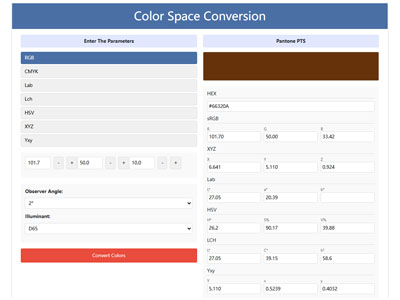
The LAB color space defines colors with a three-dimensional model:
Lightness (L): It indicates the lightness or darkness of a color, ranging from 0 (pure black) to 100 (pure white).
Hue and Saturation (a and b):
The a-axis represents the red-green tendency, with positive values leaning towards red and negative values leaning towards green;
The b-axis represents the yellow-blue tendency, with positive values leaning towards yellow and negative values leaning towards blue.
It is a globally recognized standard and supported by most modern color measurement equipment. Color is quantitatively analyzed by measuring Lab values with instruments.
The LAB color space defines colors in a three-dimensional model: Lightness (L), red–green axis (a), and blue–yellow axis (b). It's a globally recognized standard supported by most modern color measuring devices. CIELAB is a standardized, device-independent system designed to map all visible colors that the human eye can perceive.
A colorimeter is sufficient when measuring similar materials or batches with stable conditions. Suitable for fast, low-cost color checks where high precision is not required. Quick quality control in plastics, paint batch consistency, food color grading (e.g., fruit ripeness), and basic printing checks.
A spectrophotometer is recommended when you need professional, maximum color accuracy or when testing materials with variable surfaces – such as glossy or textured samples. Like textile dye formulation, cosmetic shade matching, medical device color calibration, high-end printing (e.g., packaging for luxury goods), and material spectral research. learn more Understanding Spectrophotometric Parameter Measurement
A spectrophotometer measures the full visible color spectrum (typically 400–700 nm). It offers significantly higher precision and enables detailed evaluations – including spectral curves, ΔE values, and color distance measurements. It is the preferred choice for demanding applications in labs or color development environments. learn more..
The core difference between a colorimeter and a spectrophotometer lies in their light measurement methods. A colorimeter measures color values based on the tristimulus method (e.g. LAB or RGB) and compares the sample to a reference. It's ideal for quick, repeatable measurements under consistent conditions – such as in production or incoming goods control.
A Spectrophotometer color measuring device objectively determines the color of a surface. It is used wherever accurate color matching, reproducibility or deviation control is needed – for example in quality assurance, product development or incoming goods inspection.
Capture color information: They detect light reflected, transmitted, or emitted by a sample using optical sensors.
Quantify color data: They convert the captured optical signals into standardized numerical values, such as RGB, CMYK, or CIELAB coordinates.
Compare color consistency: They compare the measured color data of a sample against a target or standard to assess color accuracy and uniformity.
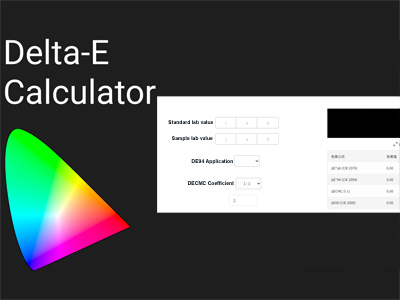
Registrare i valori L*a*b del campione e il riferimento con uno spettrofotometro o un colorimetro calibrato. Calcolare la differenza di colore utilizzando ΔE. Più basso è il Delta E, più accurato è il risultato. Differenza di energia, ΔE < 1, is generally assumed to be invisible to the eye.
La precisione dei colori è determinata confrontando i valori dei colori (L*a*b*) di un campione con un campione di riferimento standard utilizzando strumenti come spettrofotometri. La variazione è misurata in ΔE. Più piccolo è il valore di ΔE, più accurato è il colore di destinazione.
Per quantificare il cambiamento di colore, prendere i valori originali L * a * b * di un campione e rileggere dopo l'esposizione o l'elaborazione. Calcolare la differenza come 1/2(Emut1 Emut2). Più grande è il valore di ΔE, più ovvio è il cambiamento di colore, che può essere utilizzato nelle prove di qualità o stabilità.
L'equazione più importante è A = 2εcl, dove A è l'assorbinza, 2 è una costante, ε è l'assorbibilità molare (L/mol cm), c è la concentrazione (molL-11), e l è la lunghezza del percorso (cm). Questo può essere utilizzato per relazionare l'assorbenza alla concentrazione, consentendo la quantificazione attraverso test colorimetrici.
Il principio della colorimetria è la legge di Beer-Lambert, che dice che l'intensità della luce assorbita da una soluzione colorata è proporzionale alla concentrazione della specie assorbente e alla lunghezza del percorso. Misura l'estensione della luce assorbita a determinate lunghezze d'onda.
Il test di misurazione del colore applica un colorimetro o uno spettrofotometro per valutare il modo in cui un campione riflette o assorbe la luce. Viene dato in valori di colore obiettivi (L*a*b*, RGB o assorbinza) e di solito viene contrastato con uno standard di controllo qualità o conformità.
La teoria della misurazione del colore è la quantificazione dell'interazione dei materiali con la luce, sia assorbimento, trasmissione o riflessione. Utilizza spazi di colore standard (come CIELAB) e dispositivi (colorimetri, spettrofotometri) per codificare il colore visivo in dati obiettivi e riproducibili.
Il colore è una misura qualitativa e quantitativa. Qualitativamente, può essere caratterizzato dalla tonalità, dalla saturazione e dalla luminosità. Viene quantificato in termini di spazi di colore, come L*a*b* o RGB, in termini di valori numerici basati su dispositivi come colorimetri o spettrofotometri.
I valori CIELAB L*a*b* sono le unità più standardizzate nell'uso della misurazione del colore. Questi determinano i valori di leggerezza (L*), rosso-verde (a*) e blu-giallo (b*). Le differenze di colore tra i due campioni possono essere misurate tramite ΔE.
Il colore può essere quantificato in L*a*b* (unità CIELAB), valori RGB, CMYK (stampa) e ΔE (differenza di colore). Le misure di valutazione colorimetrica applicano anche la riflettanza spettrale e l'assorbinza (A), in particolare in liquidi e soluzioni.
I metodi di misura del colore comprendono l'approssimazione visiva (contro grafici a colori), la colorimetria (mediante filtri e rilevatori), la spettrofotometria (un'analisi spettrale più dettagliata) e l'analisi dell'immagine tramite computer. Si tratta di metodi di misura del colore che vengono applicati in laboratorio, produzione e valutazione della qualità.
La misurazione del colore varia a seconda del contesto in diverse unità. Tali unità comuni sono L*a*b* (CIELAB), RGB (Rosso-Verde-Blu) e differenza di colore (Delta E). Nell'assorbimento della luce non ci sono unità assegnate all'assorbimento. Ma l'analisi quantitativa dell'assorbimento obbedisce alla legge della birra nella colorimetria.
Le tecniche di misurazione del colore sono il confronto visivo del colore, la colorimetria (con colorimetri) e la spettrofotometria (misurazione della riflessione spettrale) e l'analisi dell'immagine. Entrambe le tecniche misurano la riflessione o l'assorbimento della luce dai materiali e sono comunemente quantificate. Pertanto standardizzato in spazi di colore come CIELAB o RGB.
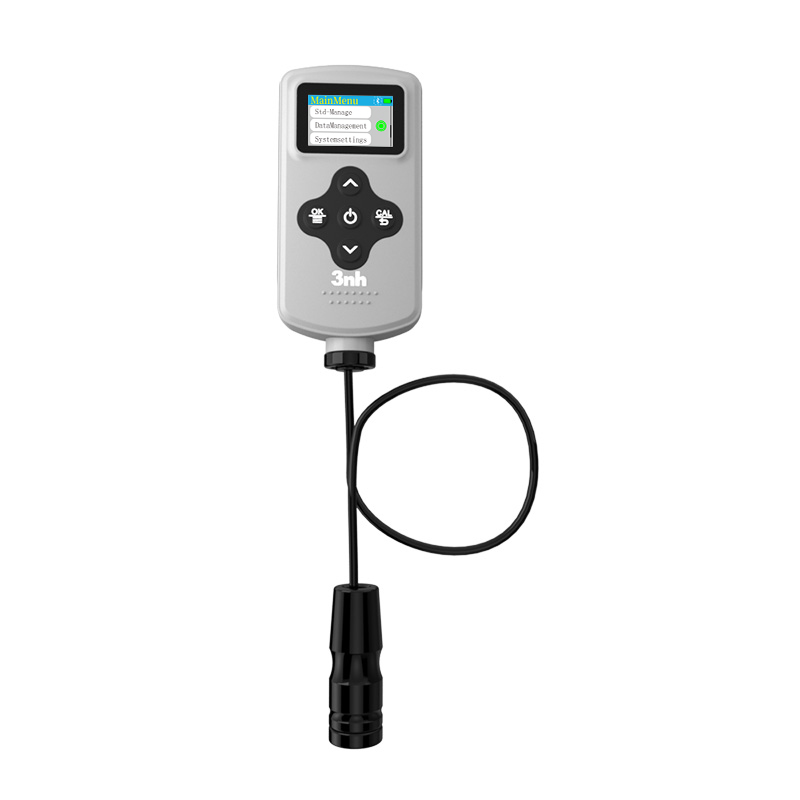
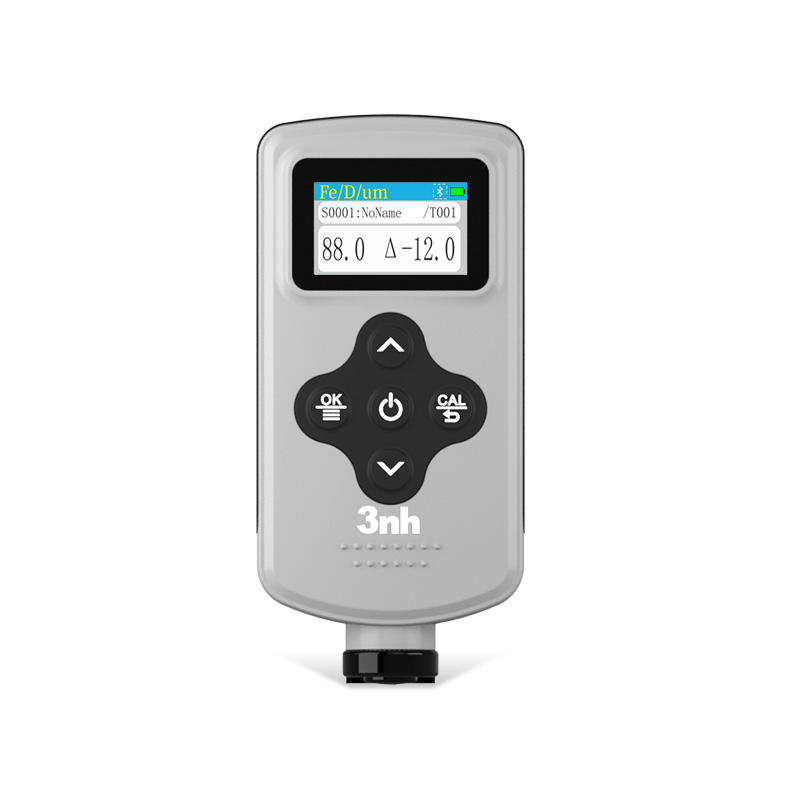
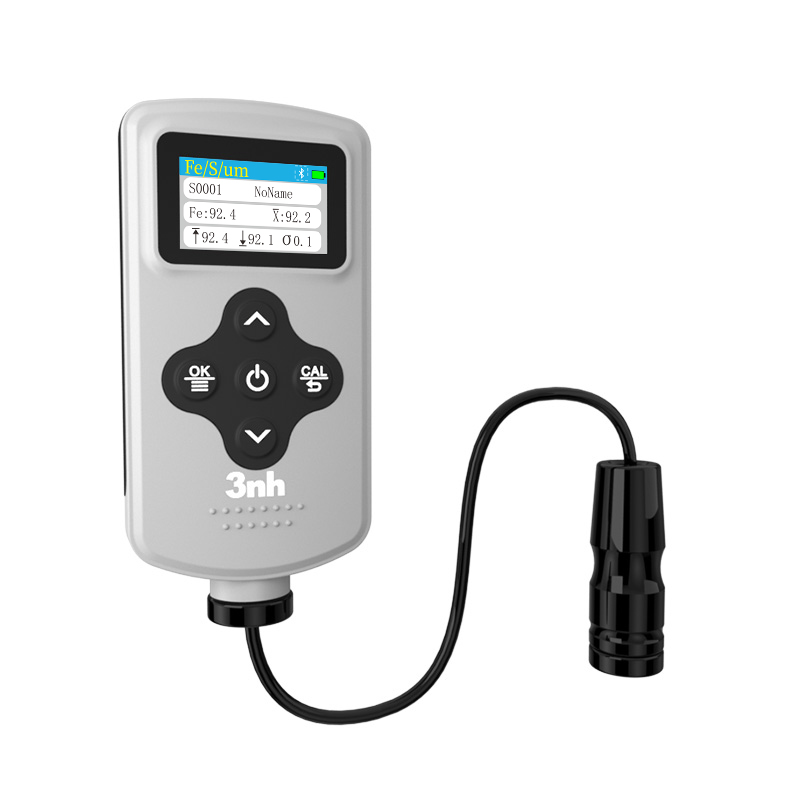
The automotive, aerospace, metal finishing, marine, construction, and manufacturing industries utilize and rely on coating thickness gauges the most. They ensure that coatings are within the expected criteria for functionality, safety, and durability.
Yes. Ultrasonic coating thickness gauges can pinpoint layers within a multi-coat system. Users can examine the separate thicknesses of a primer, base coat, and clear coat. In contrast, magnetic and eddy current gauges usually measure the overall thickness of the coating.
There are many factors that can influence accuracy such as surface roughness, temperature, substrate material, and calibration settings. For ferrous metals, external magnetic fields can also distort measurements. Proper calibration and preparation will help reduce the impact of these factors.
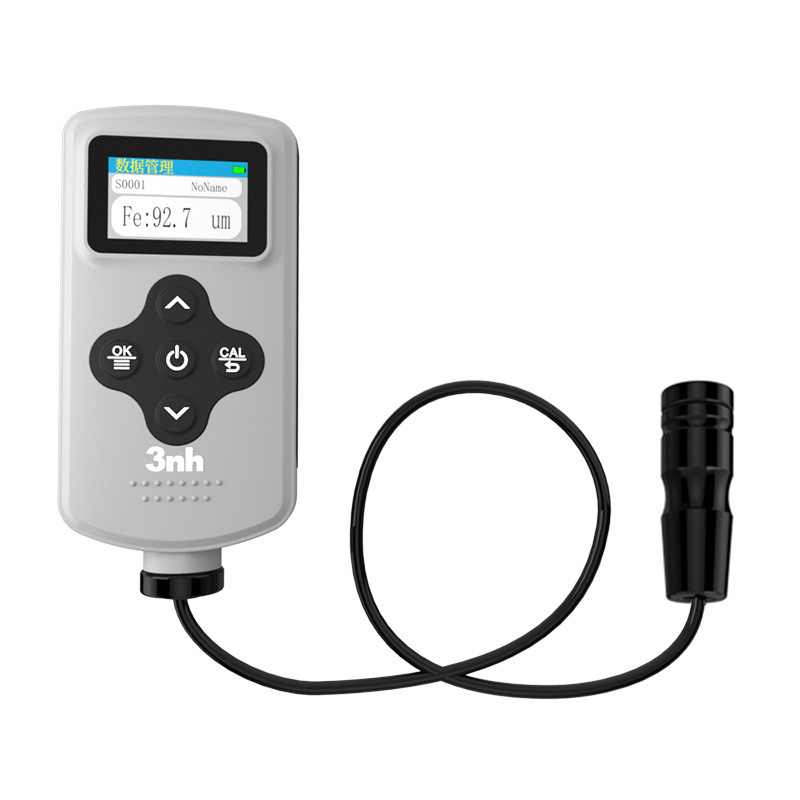
Compared to an analog model, digital gauges not only provide more accuracy, but also allow for greater repeatability and are easier to work with. Advanced digital gauges allow for features such as data storage and automatic calibration and statistical analysis. For these reasons, digital gauges are the preferred choice for professional applications.
Of course! Many portable, battery operated, and lightweight coating thickness gauges are available for on-site and field inspections. They provide quick and accurate results and portable gauges are ideal for construction, automotive, and industrial environments.
You should not attempt measuring on surfaces that are dirty, oily, or rough, as these surfaces will not provide an accurate reading. Always calibrate the paint thickness tester and make sure to select the proper probe for the substrate as well. Proper execution will bring about consistency as well as trustworthiness to the readings.
Consistency in calibration is important to account for imbalances arising from wear and tear of the probe, probe pressure, variation from the environment, and fluctuations in daily usage. This is also necessary to maintain the best quality to various international standards.
Different types of substrates require different kinds of digital gauges. Magnetic gauges are for ferrous metals, eddy current gauges are for non-ferrous metals and ultrasonic gauges are for any non-metal composites like plastics. Careful selection of a gauge is the most important factor for obtaining accurate measurements.
The dry film thickness is assessed after the coating is cured, while the wet film thickness is obtained immediately after the coating is applied using a wet film comb gauge. Dry film measurement is critical to ensuring that the coating applied matches the standards expected in terms adherence and polish.
A coating thickness gauge measures film layers by identifying shifts in magnetic flux, eddy currents, or ultrasonic echoes as they penetrate the coating. The gauge calculates thickness based on the magnitude of these signals. This universally accepted approach results in quick, reliable, and non-invasive measurements.
Abbiamo preparato risposte a molte domande comuni sopra menzionate per avere una migliore comprensione dei nostri strumenti prima di effettuare un ordine. Se desideri ricevere FAQ per un servizio specifico, passa alla pagina del servizio corrispondente e trova le informazioni desiderate in fondo a quella pagina.
Utilizza il modulo qui sotto per contattare i nostri specialisti di supporto tecnico per domande sui prodotti e servizi Threenh Technology
Discuti il tuo progetto con uno dei nostri specialisti del prodotto:
0086 755 26508999Rispondiamo alle richieste di preventivo entro 1 giorno lavorativo.
service@3nh.comInvia una richiesta demo per il prodotto che ti interessa.
Ottieni una Demo